Is Cryptocurrency Mining Legal? What the Law Says in 2026
Cryptocurrency mining legality depends entirely on jurisdiction. In most countries, mining digital currencies remains legal for individuals and businesses operating within standard tax, energy, and business registration frameworks. However, enforcement varies dramatically, and some governments have restricted or banned mining operations outright based on energy policy concerns, financial system priorities, or environmental objectives.
The question matters because mining represents a significant capital commitment. Operators invest in specialized hardware, secure power arrangements, and establish business entities before generating their first block reward. A clear understanding of the legal landscape prevents costly mistakes and regulatory exposure.
The complexity stems from mining’s dual nature. Governments regulate it simultaneously as an energy-intensive industrial activity and as participation in decentralized financial networks. Jurisdictions treat these dimensions differently. Some countries welcome mining operations through favorable energy pricing and regulatory clarity. Others view mining as an unacceptable drain on power grids or a threat to monetary sovereignty.
Understanding how mining works clarifies why regulatory approaches differ. The process requires substantial electricity consumption to validate blockchain transactions and secure networks. This energy requirement places mining squarely within infrastructure policy debates that vary by region.
This article examines the legal frameworks governing cryptocurrency mining operations, the factors that shape regulatory decisions, and the practical compliance considerations operators face. We’ll explore how different jurisdictions approach mining legality, what distinguishes permitted operations from prohibited ones, and how businesses can evaluate and maintain compliance in their target markets. The goal is actionable guidance for professionals assessing whether and where to establish mining operations.
What Cryptocurrency Mining Legality Means
Cryptocurrency mining legality refers to whether operating computer systems to validate blockchain transactions and earn cryptocurrency rewards complies with a jurisdiction’s laws. This legal status is not binary. Instead, it encompasses multiple regulatory dimensions: whether mining itself is permitted, what licenses or registrations operators need, how authorities tax mining rewards and operational income, and whether energy consumption complies with local grid policies and environmental standards.
Most jurisdictions sit somewhere between complete prohibition and unrestricted permission. Legal frameworks typically address mining through overlapping regulatory systems rather than single statutes. Understanding mining legality means evaluating these intersecting requirements:
- Regulatory Status
- Whether a jurisdiction permits mining operations at all, either explicitly through enabling legislation or implicitly by not prohibiting the activity. Status ranges from enthusiastic government support to outright bans.
- Licensing Requirements
- Business registrations, financial service permits, or specialized mining approvals that operators must obtain. Some jurisdictions require no special license beyond standard business formation, while others mandate sector-specific authorizations.
- Taxation
- How authorities classify and tax mining rewards, whether as income, capital gains, or through specialized crypto levies. Compliance includes reporting obligations and withholding requirements that vary significantly across borders.
- Energy Compliance
- Restrictions on electricity consumption, requirements to source renewable energy, or mandates to obtain utility approvals. Some regions implement measures such as DAME tax and permits that specifically target mining’s grid impact.
- Prohibited Operations
- Activities that remain illegal even where mining is generally permitted, such as operating without proper registration, tax evasion, or violating energy restrictions.
A jurisdiction might permit small-scale home mining while restricting commercial operations, or allow mining only with renewable energy sourcing. Legal status also changes over time as governments respond to energy concerns, technological developments, and economic priorities. What was legal last year may face new restrictions today, and vice versa.
How Legal Frameworks for Mining Work

Legal frameworks for cryptocurrency mining operate through multiple regulatory dimensions that intersect and often overlap. Rather than a single law declaring mining “legal” or “illegal”, most jurisdictions regulate mining through existing statutes governing energy, finance, business operations, and environmental protection. Understanding how these frameworks function helps operators assess their compliance obligations and jurisdictions evaluate whether to encourage or restrict mining activity.
At the foundation, regulators must balance competing priorities: technological innovation and economic development against energy security, environmental sustainability, and financial system stability. This balancing act produces diverse regulatory approaches even among neighboring regions.
The regulatory architecture governing mining typically operates through four distinct but interconnected dimensions:
- Energy and environmental regulation: grid capacity assessments, carbon emission standards, renewable energy mandates, and utility rate structures
- Financial services oversight: securities classification, anti-money laundering requirements, capital controls, and transaction reporting obligations
- Business licensing and taxation: entity registration, operational permits, income tax treatment, import duties on equipment, and employment regulations
- Cross-border enforcement considerations: equipment import/export controls, revenue repatriation rules, and international cooperation agreements
Energy policy frequently drives the initial determination of mining legality. Jurisdictions assess whether their electrical infrastructure can accommodate high-density computing operations without compromising residential and industrial supply. Regions with surplus renewable capacity or stranded energy resources may welcome mining as a buyer of last resort, while those with constrained grids or aggressive decarbonization targets often impose restrictions or outright prohibitions.
Financial regulators examine mining through the lens of monetary policy and financial system control. Some jurisdictions view mining as a gateway to unregulated capital flows, particularly where miners can convert electricity directly into portable digital assets. Concerns about tax evasion, sanctions circumvention, and capital flight influence whether regulators permit operations and what reporting they mandate.
Environmental compliance requirements vary based on jurisdictional carbon goals. Some regions require miners to source renewable energy, offset emissions, or participate in demand-response programs that curtail operations during peak grid stress. Others impose environmental impact assessments for facilities above certain power thresholds.
Economic development considerations also shape frameworks. Regions seeking to attract technology investment may offer tax incentives, streamlined permitting, or dedicated industrial power rates. Conversely, areas experiencing energy cost increases for residents may restrict mining to protect domestic consumers.
These frameworks remain dynamic rather than fixed. Regulators adjust policies as grid conditions change, as mining technology evolves, and as they observe outcomes in other jurisdictions. What appears settled law today may shift within months based on energy crises, political changes, or technological developments.
Global Mining Legal Status: Current Landscape
Jurisdictions with Favorable Regulatory Environments
Jurisdictions that welcome cryptocurrency mining typically share several defining characteristics that make them attractive to both commercial operators and individual miners. These environments feature transparent regulatory frameworks where mining is explicitly recognized as a legitimate business activity, often with straightforward business registration processes that don’t require specialized licenses beyond standard commercial permits.
Energy policy plays a central role in favorable jurisdictions. Regions with abundant renewable energy capacity, particularly hydroelectric, geothermal, or wind power, often view mining as a productive use of surplus generation that might otherwise go to waste. Some jurisdictions structure their regulatory approach to incentivize miners who source power from renewable sources, creating alignment between mining operations and environmental objectives.
Tax treatment represents another distinguishing factor. Favorable environments typically offer clarity on how mining income is classified and taxed, whether as business income, capital gains, or a hybrid structure. Some regions provide economic development incentives such as reduced corporate tax rates or accelerated depreciation schedules for mining equipment, recognizing mining operations as infrastructure investments that create local employment.
These jurisdictions also tend to demonstrate regulatory stability, with governments that engage mining industry stakeholders when developing policy rather than imposing sudden restrictions. This predictability allows operators to make long-term capital investments with greater confidence.
Regions with Restrictions or Conditional Approval
Many jurisdictions permit mining but impose operational conditions. Common restrictions include energy consumption caps that limit facility size based on local grid capacity, preventing any single operation from destabilizing power infrastructure. Some regions implement proof-of-work limitations targeting Bitcoin and similar networks while allowing less energy-intensive consensus mechanisms to operate freely.
Regional bans within otherwise permissive countries create patchwork legal landscapes. Certain provinces or states prohibit mining despite national-level acceptance, often due to localized energy constraints or environmental priorities. The New York PoW moratorium debate illustrates how subnational authorities can implement targeted restrictions even when broader frameworks remain supportive.
Seasonal restrictions in some jurisdictions suspend mining during peak energy demand periods, resuming operations when grid capacity expands. Mandatory renewable energy sourcing requirements represent another conditional approval model, permitting mining only when operators demonstrate that their power comes from verified clean sources. These frameworks attempt to balance technological development with energy policy goals, creating compliance pathways rather than outright prohibition.
Countries with Mining Prohibitions
Several jurisdictions prohibit cryptocurrency mining outright, though their motivations and enforcement approaches differ. Common drivers for mining bans include desire to maintain control over national financial systems, concerns about capital outflow through crypto transactions, and energy grid constraints where mining operations would compete with essential services for scarce electricity resources. Environmental considerations also play a role in countries pursuing aggressive carbon reduction targets, particularly where mining relies heavily on fossil fuel generation.
Enforcement mechanisms vary by regulatory environment. Some jurisdictions criminalize mining as an unauthorized financial activity, subjecting operators to financial penalties or prosecution. Others focus on cutting off access to resources: banks may be prohibited from serving mining operations, utility companies prevented from providing electricity to known mining facilities, and customs officials instructed to block import of mining equipment. In practice, enforcement effectiveness depends on a jurisdiction’s monitoring capacity and political will, with some nominal bans proving easier to circumvent than others through residential-scale operations or cross-border arrangements.
Key Legal Considerations for Mining Operations
Before launching a mining operation, operators must navigate several interconnected legal requirements that extend beyond whether mining itself is permitted. Even in jurisdictions with favorable frameworks, compliance failures in adjacent regulatory areas can expose miners to significant legal and financial risk.
Business entity and registration requirements form the foundation of legal mining operations. Most jurisdictions require miners to establish formal business entities rather than operating as unregistered individuals, particularly once operations exceed hobby-scale thresholds. The specific entity type matters: some regions classify mining as a financial service requiring specialized licensing, while others treat it as data processing or energy-intensive manufacturing. Entity structure also determines tax treatment, liability exposure, and reporting obligations. Miners should verify whether their chosen jurisdiction requires cryptocurrency-specific licenses or whether general business registration suffices.
Energy sourcing and consumption compliance has become central to mining legality as jurisdictions increasingly tie mining permits to grid impact and carbon footprint. Operators must understand local energy policies, including whether residential electricity rates apply to commercial mining, whether renewable energy sourcing is mandatory or incentivized, and whether consumption caps exist. Some regions require miners to negotiate direct power purchase agreements with utilities or demonstrate that operations won’t strain local grid capacity. The mining program you implement must account for these energy compliance requirements from the planning stage, as retrofitting operations to meet unexpected energy regulations proves costly.
A comprehensive compliance checklist typically includes:
- Business registration and entity formation appropriate to local classification of mining activity
- Energy agreements documenting power sourcing, consumption limits, and renewable energy commitments
- Tax registration covering income tax, sales tax, and any cryptocurrency-specific levies
- Equipment import licenses if bringing ASIC miners or specialized hardware across borders
- Data privacy compliance for any customer data if operating mining-as-a-service models
- Anti-money laundering procedures if operations involve receiving or converting customer cryptocurrency
Taxation and financial reporting create ongoing compliance obligations beyond initial registration. Mining income typically triggers tax liability, though jurisdictions differ on whether to tax at the point coins are mined, when they’re sold, or both. Operators must maintain detailed records of mining rewards, electricity costs, equipment depreciation, and operational expenses. Cross-border operations face additional complexity around transfer pricing, permanent establishment rules, and withholding tax obligations.
Equipment import and technology transfer restrictions affect hardware acquisition and operational scaling. Some jurisdictions restrict imports of high-performance computing equipment, require licenses for cryptographic hardware, or impose tariffs that materially affect project economics. Intellectual property rules occasionally restrict technology transfers or require local partnerships for certain mining software.
How Technology Innovations Influence Legal Status
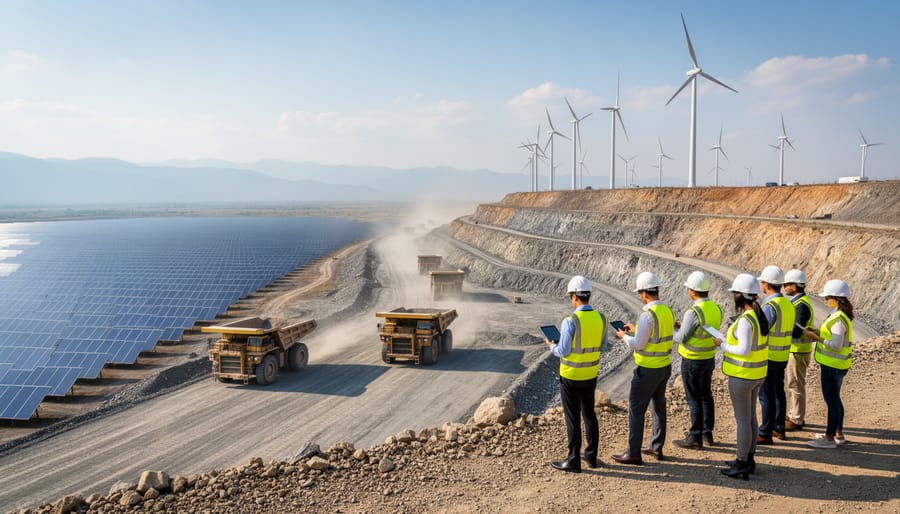
Regulators increasingly distinguish between mining technologies when crafting policy, recognizing that not all cryptocurrency operations place identical demands on energy grids or produce the same environmental footprint. This technical nuance shapes legal outcomes significantly.
Hardware efficiency directly influences regulatory receptiveness. Jurisdictions facing energy constraints or pursuing carbon reduction goals often view modern ASIC miners with lower joules-per-terahash ratings more favorably than older, power-hungry equipment. Some regulatory frameworks explicitly differentiate: mining operations using equipment that meets specific efficiency thresholds may qualify for expedited permitting or reduced fees, while facilities running outdated hardware face stricter scrutiny or higher compliance costs. The gap in power consumption between generations of mining equipment can exceed 50%, giving regulators a measurable basis for differential treatment.
Renewable energy integration has become a pivotal factor in legal assessments. Mining facilities powered predominantly by wind, solar, hydroelectric, or geothermal sources encounter fewer regulatory obstacles than those drawing from fossil-fuel-heavy grids. Several jurisdictions have structured their frameworks to encourage or mandate renewable sourcing: mining operations meeting renewable energy thresholds may receive tax incentives, streamlined licensing, or exemptions from consumption caps that apply to conventional power users. This creates economic incentive structures that align mining growth with climate policy objectives rather than opposing them.
Heat recovery systems are shifting conversations around energy waste. Facilities that capture mining heat for district heating, greenhouse operations, or industrial processes transform what regulators previously viewed as pure consumption into productive reuse. This practical application of otherwise-wasted thermal energy has softened opposition in cold-climate regions where heating demand is substantial, turning a regulatory liability into a potential infrastructure asset.
Alternative consensus mechanisms present the starkest regulatory contrast. Proof-of-stake and similar approaches that eliminate energy-intensive computation receive markedly different treatment in jurisdictions where proof-of-work mining faces restrictions. Networks that validate transactions through staking rather than mining sidestep energy-focused regulations entirely in many frameworks, creating a clear regulatory preference for less resource-intensive blockchain architectures. This divergence means that “cryptocurrency operations” now occupy different legal categories depending on the underlying protocol.
Regulatory frameworks increasingly reflect these technical distinctions, rewarding efficiency and penalizing waste rather than treating all mining as equivalent.
Where Cryptocurrency Mining Is Applied Legally

Mining operations function legally across several distinct models, each structured to align with local regulatory requirements and compliance frameworks. Understanding these operational approaches helps organizations and individuals evaluate feasible pathways for participation.
Commercial data center facilities represent the most visible legal mining operations. These enterprises typically register as business entities, secure commercial electricity contracts at negotiated rates, and maintain proper accounting systems for tax reporting. Operators structure these facilities to meet local building codes, environmental standards, and business licensing requirements. The scale allows for professional legal and compliance teams to manage ongoing regulatory obligations.
Institutional mining operations run by established financial entities or publicly traded companies operate under heightened compliance standards. These operations maintain transparent corporate governance, file regular financial disclosures, and implement robust KYC and AML procedures even when mining doesn’t technically constitute money transmission. The institutional structure provides clear lines of accountability and demonstrates regulatory cooperation that can influence favorable treatment in jurisdictions still developing mining frameworks.
Individual home mining remains legal in many jurisdictions, though the mining setup requirements differ significantly from commercial operations. Home miners typically operate under residential electricity agreements and report mining proceeds as taxable income. Compliance centers on accurate tax reporting rather than special licensing, though some jurisdictions impose power consumption limits or require notification to utilities when mining equipment exceeds certain thresholds.
Common legal operational models include:
- Licensed commercial facilities with dedicated legal and compliance teams
- Small-scale individual operations reporting income through standard tax channels
- Energy company joint ventures leveraging excess capacity or renewable sources
- Research institution operations focused on blockchain technology development
Academic and research institutions conduct mining operations as part of blockchain research programs. Universities structure these activities under research grants or educational budgets, benefiting from institutional legal status and often preferential electricity rates. This model demonstrates mining’s role in technological advancement rather than purely commercial activity.
Energy company partnerships represent an emerging legal model where mining operations help balance grid loads or monetize stranded energy resources. Power generators structure these arrangements as commercial contracts, with mining equipment deployed to consume excess renewable generation that would otherwise go unused. These partnerships align mining with energy policy goals, strengthening the operation’s legal standing and demonstrating economic benefit to the jurisdiction.
Navigating Legal Uncertainty and Compliance
Operating in a jurisdiction with evolving mining regulations requires structured legal diligence and proactive compliance systems. Regulatory uncertainty creates operational risk, but organizations that approach legality as an ongoing process rather than a one-time assessment can adapt successfully as frameworks mature.
Start with comprehensive legal due diligence specific to your planned operating jurisdiction. This means consulting local counsel with cryptocurrency or energy law experience who understand how mining fits into existing regulatory categories. Generic business lawyers may miss nuances around energy procurement contracts, financial reporting obligations, or how mining software licensing intersects with technology transfer rules. Document the current legal status thoroughly, but recognize that absence of explicit prohibition does not guarantee future permission.
Structure operations for regulatory adaptability from the outset. This includes modular facility design that allows capacity reduction if energy restrictions emerge, diversified geographic presence to mitigate jurisdiction-specific regulatory changes, and flexible power purchase agreements that accommodate policy shifts. Some operators maintain optionality by securing licenses in multiple jurisdictions even when concentrating operations in one location, creating ready alternatives if regulations tighten.
Establish active regulatory monitoring as a formal business function. Subscribe to regulatory bulletins from relevant government agencies, join industry associations that track policy developments, and maintain relationships with local legal counsel who can interpret proposed regulations before they take effect. Regulatory changes often proceed through consultation periods that provide advance warning and opportunities for industry input.
Treat permits and licenses as baseline requirements, not final protections. Maintain meticulous compliance records demonstrating adherence to energy consumption limits, tax reporting, and environmental standards. During regulatory uncertainty, documented compliance history strengthens your position should authorities revisit mining policy. Organizations that operate transparently and engage constructively with regulators generally fare better when frameworks formalize than those adopting adversarial or opaque approaches.
Frequently Asked Questions About Mining Legality
Can I mine cryptocurrency for personal use without a business license?
Personal mining legality depends on your jurisdiction’s approach to consumer versus commercial operations. Many jurisdictions do not regulate small-scale home mining as a business activity, but you remain subject to energy usage restrictions, taxation on any rewards received, and residential zoning rules that may prohibit commercial-scale equipment in residential areas.
Does mining cryptocurrency count as money transmission or financial services?
Mining itself typically does not constitute money transmission because you are creating new tokens rather than transmitting value between parties. However, if you sell mined cryptocurrency to customers or operate a pool that distributes rewards, you may trigger money services business registration requirements in some jurisdictions.
What happens to my operation if regulations change after I invest in equipment?
Regulatory changes can require operational modifications, relocation, or in extreme cases, full cessation. Many operators structure their operations for portability, maintain legal reserves for compliance upgrades, and diversify across multiple jurisdictions to manage this risk rather than concentrating all infrastructure in a single location.
How do tax authorities treat income from mining cryptocurrency?
Most jurisdictions treat mined cryptocurrency as taxable income at the fair market value when you receive it, with additional capital gains or losses calculated when you later sell. Mining as a business activity may also subject you to self-employment taxes, value-added taxes on services, and deductions for equipment and energy costs as business expenses.
Do I need special cryptocurrency licenses beyond general business registration?
Licensing requirements vary significantly. Some jurisdictions require only standard business registration and energy permits, while others mandate cryptocurrency-specific licenses, money transmitter status, or technology import approvals. Understanding mining operation basics helps identify which regulatory categories apply to your specific activities.
Can I operate a mining facility if I source renewable energy exclusively?
Renewable energy sourcing improves your regulatory standing in many jurisdictions and may qualify you for expedited permits or tax incentives. However, green energy alone does not guarantee legal permission; you still need to meet licensing, financial reporting, and business operation requirements specific to your location.
What compliance obligations continue after I start operations?
Ongoing compliance includes periodic license renewals, tax reporting on mined assets, energy consumption monitoring, environmental impact assessments where required, and adapting to regulatory updates. Treating compliance as a continuous operational function rather than a one-time setup task reduces the risk of inadvertent violations as frameworks evolve.
These questions reflect concerns common among businesses evaluating mining ventures. The answers to frequently asked questions about mining legality often reveal that compliance extends beyond initial setup and requires sustained attention to regulatory developments. Legal counsel familiar with both cryptocurrency regulation and your specific jurisdiction provides the most reliable guidance for structuring compliant operations.
The legal status of cryptocurrency mining remains fundamentally tied to jurisdiction, and the regulatory landscape continues to evolve in response to both technological advancement and broader policy priorities. Organizations considering mining operations face a dynamic environment where yesterday’s permissive framework can become tomorrow’s restricted territory, and where innovation in energy efficiency or consensus mechanisms can shift regulatory attitudes overnight.
Treating compliance as a one-time checkbox represents a significant misstep. Regulatory frameworks adapt as governments assess mining’s impact on energy grids, carbon targets, and financial systems. What begins as general business licensing in one jurisdiction may evolve to include specific energy audits, renewable sourcing requirements, or proof-of-work limitations. Mining operations must build ongoing monitoring into their governance structures, tracking not just the jurisdictions where they operate but also those where they’re considering expansion.
The interplay between technology and regulation creates both risk and opportunity. Hardware that reduces energy consumption per hash, systems that integrate renewable sources, or protocols that move beyond traditional proof-of-work can materially affect how regulators view operations. Yet these same innovations don’t guarantee favorable treatment, and operators shouldn’t assume technological sophistication alone ensures compliance.
Before committing capital to mining infrastructure, consult legal professionals who understand both cryptocurrency regulation and energy policy in your target jurisdictions. Structure operations with adaptability in mind, recognizing that compliance isn’t a destination but an ongoing operational discipline. The question isn’t simply whether mining is legal where you operate today, it’s whether you’ve built the flexibility to maintain lawful operations as frameworks shift beneath you.