How to Start Cryptocurrency Mining: Hardware, Setup, and Profitability Checks
Starting cryptocurrency mining takes four things: compatible hardware, a mineable coin, mining software, and a wallet, plus a hard look at your electricity rate before you spend anything. A first setup can be running within a day. Profitability is a different question, and it hinges on power cost, hardware efficiency, and network difficulty, not on how quickly you can plug in a rig.
Mining is the process by which computers validate transactions and secure a proof-of-work blockchain, earning newly issued coins and fees in return. Bitcoin remains the best-known example, but it’s dominated by specialized ASIC machines operated by industrial-scale firms. Beginners tend to have better odds with other proof-of-work coins that still support GPU mining, or with joining a pool that smooths out the otherwise lumpy payouts of solo mining.
The pattern we see repeatedly is that hobbyists get the technical steps right and the economics wrong. A rig that looks profitable at a hosted-facility rate of a few cents per kilowatt-hour can lose money in a home with expensive power. Serious operators run the numbers first, then buy equipment.
This guide covers the tools and materials you need, the safety and stop conditions that protect your hardware and your budget, an ordered setup process, and how to verify that your miner is actually earning.
What Cryptocurrency Mining Actually Involves Before You Spend Anything
Before you buy a single machine, it helps to understand what mining actually is. In a proof-of-work network like Bitcoin, miners compete to validate the next block of transactions. Each miner repeatedly runs a computation, and the first to find a valid answer gets to add the block to the chain. That miner collects the block reward plus the transaction fees included in the block. If you want to see the mechanics behind this, our guide to how mining software works walks through it.
Not every asset can be mined. Bitcoin and several other proof-of-work coins still can be. Ethereum cannot: it moved to proof-of-stake, which removed mining from its network entirely. Any guide or seller still pitching Ethereum mining deserves immediate suspicion.
Three variables drive your returns, and hardware is only one of them.
Hash rate is the number of computations your equipment performs per second. Higher is better, but it only matters relative to everyone else on the network.
Difficulty is the network’s self-adjusting target. As more total hash rate joins, the protocol makes block discovery harder to keep the block pace steady. Your machine’s output can stay the same while your share of rewards shrinks.
Halving events cut the block reward at set intervals, in Bitcoin’s case roughly every four years. Revenue per block drops overnight while your costs, mainly electricity, stay put.
This is why mining is better understood as a margin business than a gadget purchase. The same machine can be comfortably profitable under one electricity rate and difficulty level and a money-loser under another.
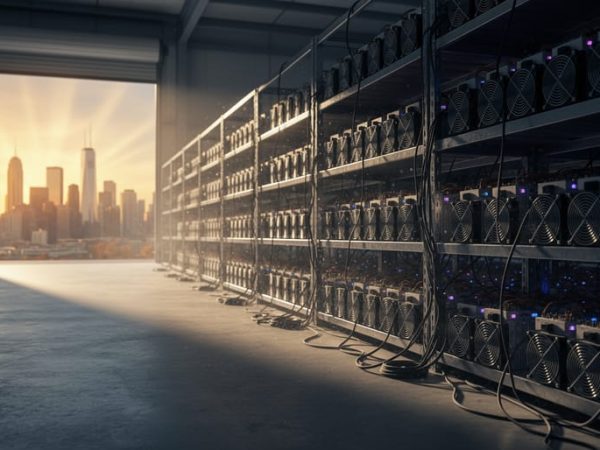
One structural reality shapes the field for newcomers. Industrial-scale operators now run enormous fleets of efficient machines, often sited near cheap or surplus power and financed to survive downturns. They negotiate bulk hardware pricing and power contracts that individuals cannot match. For a newcomer, the practical lesson is that you rarely win by out-scaling them. You win, if at all, by keeping your power costs low, your equipment efficient, and your expectations disciplined.
Choose Your Mining Path: ASICs, GPUs, or Cloud Mining
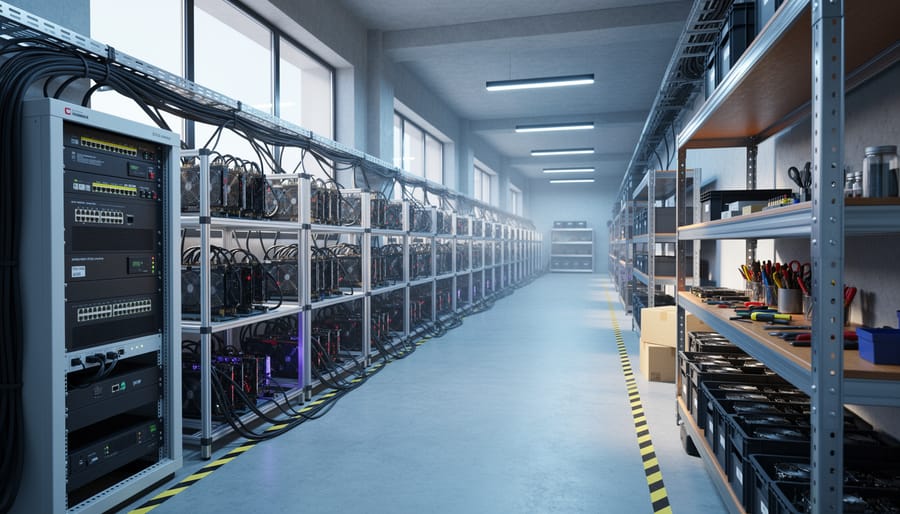
Your mining path comes down to three realistic routes, and each one trades capital, technical effort, and risk differently.
ASIC mining is the standard route for Bitcoin. Application-specific integrated circuits are built to run one hashing algorithm, and they outperform general-purpose hardware by a wide margin. The trade-off is rigidity. An ASIC cannot be repurposed for another algorithm, resale value tracks market conditions, and the units are loud, hot, and power-hungry. This path suits buyers who have cheap, stable electricity, a dedicated space, and the capital to absorb a machine that may lose value faster than it earns.
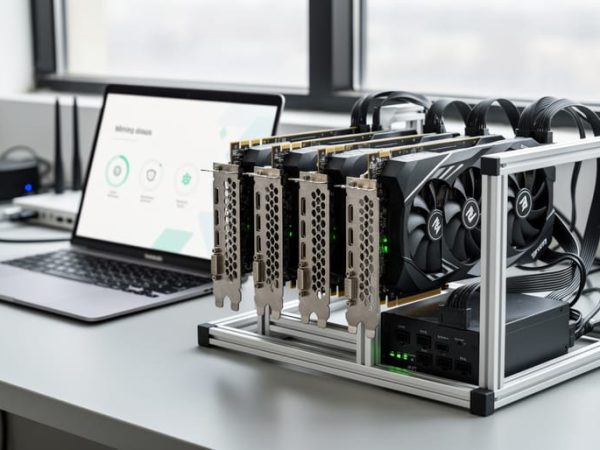
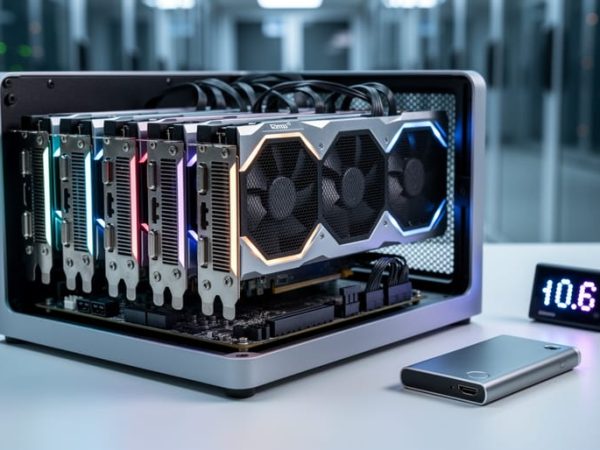
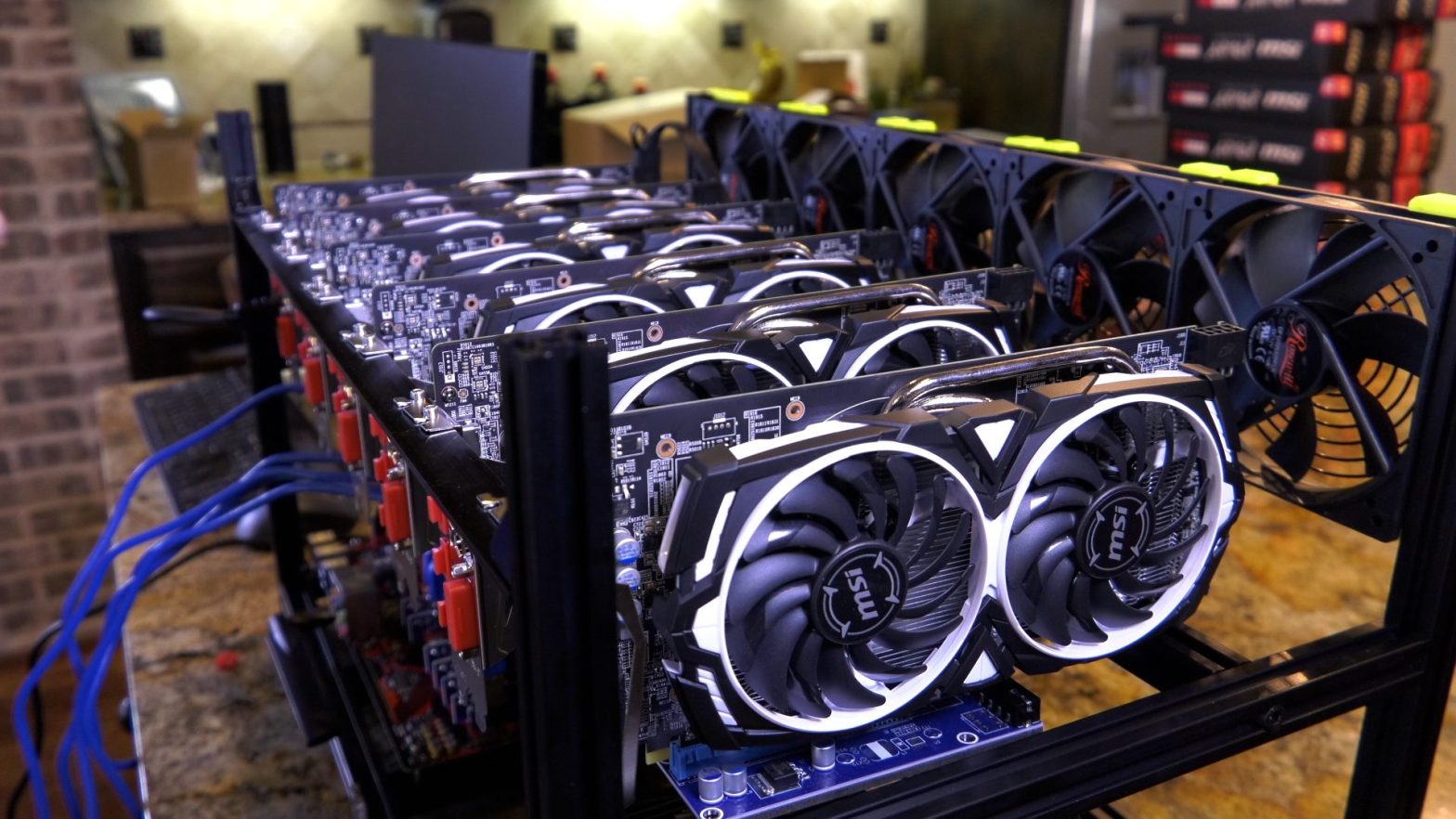
GPU mining works only for proof-of-work coins whose algorithms remain GPU-friendly. The hardware is flexible, since a graphics card can be redeployed or resold to gamers and designers, which softens the downside. But returns on most GPU-mineable coins are thin and sensitive to price swings, and the smaller networks can be volatile or illiquid. GPU rigs reward people comfortable with drivers, overclocking, and constant tuning.
Cloud or hosted mining removes the hardware burden, though not the risk. In a hosted arrangement, you own the machine and a facility runs it for a fee. In cloud contracts, you rent hash power without owning anything. The cloud model carries a poor track record, because many past schemes were outright Ponzi structures that paid early customers with new deposits until they collapsed. Vet any provider as you would a counterparty in a financial deal: verify corporate registration, ask for proof of physical facilities, read the contract terms on fees and maintenance clauses, and treat guaranteed returns as a disqualifying red flag. Growing crypto adoption in Canada has also drawn more newcomers into this space, which makes scam awareness more important, not less.
To choose, match the route to your constraints. If electricity is expensive and you lack space, hosted mining may be more practical than a home setup. If you value flexibility and enjoy hands-on work, GPUs lower the cost of changing course. If you have low power costs and want maximum efficiency on Bitcoin, ASICs are the logical fit. In every case, run the numbers before you commit.
Tools and Materials You Need to Start Mining
Hardware and Power Infrastructure
Before you buy a miner, work out whether your electrical system can carry it. Every machine lists a rated power draw in watts, and that number sets the rest of your infrastructure. A typical ASIC pulls a few thousand watts continuously, which is more than most household circuits are built to handle for hours at a stretch. As a general rule, keep continuous load at or below 80 percent of a circuit’s rating, and have a licensed electrician confirm that your wiring, breakers, and outlets can take it.
Here is the core equipment to line up:
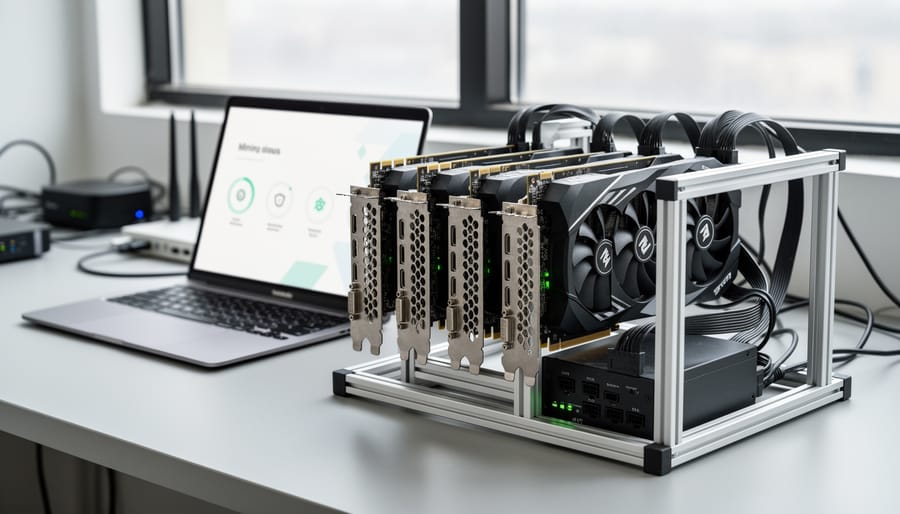
- Miner or GPU rig: the hash-producing hardware, chosen to match the coin you plan to mine.
- Power supply unit: sized above the rig’s rated draw, with headroom for efficiency losses (ASICs usually ship with or require a specific unit).
- Dedicated circuit: isolates the load so mining does not trip breakers shared with other equipment.
- Cooling and ventilation: fans or ducting that exhaust hot air and keep intake temperatures within the manufacturer’s range.
- Wired network connection: Ethernet is more stable than Wi-Fi and prevents lost shares.
- Monitoring tools: a smart plug or power meter plus temperature alerts to catch faults early.
Heat and noise deserve equal attention. A running ASIC can sound like a vacuum cleaner and will warm a small room quickly, so a garage, basement, or purpose-built space often works better than a living area. Plan for airflow before you plug in, because overheating shortens hardware life and can void warranties.
Software, Wallet, and Pool Accounts
Mining hardware does nothing without three software-side pieces: firmware or client software, a wallet, and a pool account.
Mining software. ASIC miners ship with manufacturer firmware, which handles basic configuration through a web dashboard. Some operators install third-party firmware for tuning and monitoring, but that can void warranties, so check the terms first. GPU miners need a client compatible with their card and chosen coin. Download software only from official project or manufacturer pages, since fake miners are a common route for malware that drains wallets.
Wallet. Receive payouts to an address you control. A hardware wallet is the strongest option because private keys never touch an internet-connected device. Write down the recovery phrase offline and store it separately from the device. Avoid pointing payouts directly at an exchange deposit address unless the exchange explicitly supports it, as errors can be hard to reverse.
Pool account. Evaluate pools on four criteria:
– Fee structure: Compare the stated fee and what it covers. Lower isn’t automatically better if the pool is unreliable.
– Payout method: Understand whether it pays per share, per block, or by proportional schemes, and what minimum payout threshold applies.
– Transparency: Look for published hash rate, block history, and clear documentation.
– Track record: Favor pools with a long operating history and consistent payouts over new entrants offering unusually generous terms.
Exchange access. Open and verify an account at a regulated exchange before you need it. Having it ready lets you convert payouts to local currency promptly and supports clean records for tax reporting.
Safety Warnings and Stop Conditions Before You Power On
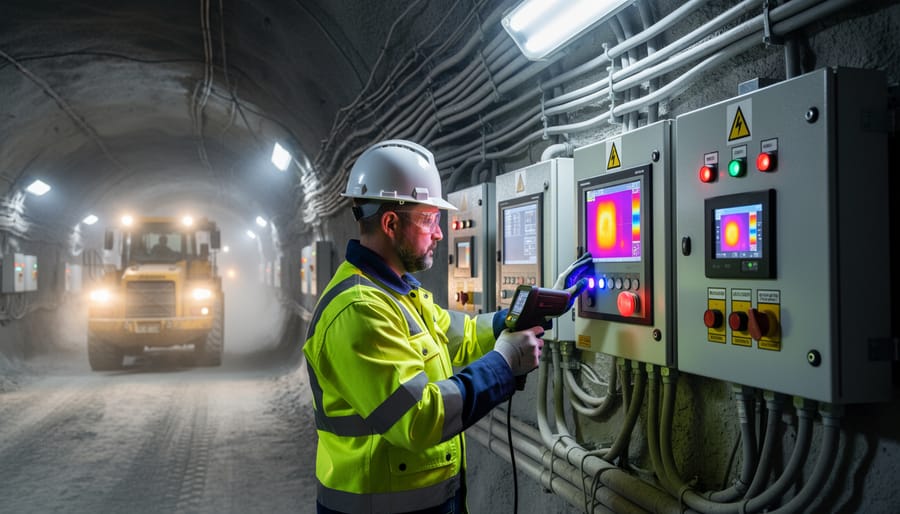
Mining hardware turns electricity into heat and noise around the clock, so treat the physical setup as seriously as the financial math. A single ASIC miner can draw 3,000 watts or more, which is comparable to running several space heaters continuously. Overloaded circuits, loose connections, and undersized extension cords are the most common causes of mining-related fires. Run miners on dedicated circuits rated for continuous load, keep them away from flammable materials, and have a licensed electrician inspect the wiring before you power on.
Heat and sound are the other practical hazards. Industrial miners commonly exceed 75 decibels, loud enough to make a shared living space unworkable and to draw complaints from neighbors. Plan for ventilation that actually exhausts hot air, not just a fan that recirculates it.
Check the paperwork too. Many residential insurance policies exclude commercial activity or high-load equipment, and some manufacturers void warranties when units run outside rated conditions. Utilities and local authorities may classify sustained high consumption as commercial use, with different rates, permits, or zoning limits. Mining income is also taxable in most jurisdictions, so decide how you will record rewards at their value when received before the first payout arrives.
Scams cluster around newcomers. Watch for counterfeit or refurbished units sold as new, fake pools that never pay out, and hosting deals promising returns that sound too good to be true. Buy only from verified sellers, confirm a pool’s history independently, and wait until you can set up mining software on equipment you have confirmed is genuine.
If any of those conditions applies, do not proceed. Fixing the problem first costs far less than recovering from a fire, a fraudulent purchase, or months of mining at a loss.
Step-by-Step: Setting Up Your First Mining Operation
Setting up a first mining operation works best as a fixed sequence, because each step constrains the next. Skipping ahead, say by buying hardware before checking your power costs, is how most beginners lose money.
- Run the profitability calculation first. Enter your electricity rate per kilowatt-hour, the hardware’s price and rated power draw, current network difficulty, and the coin price into a reputable mining calculator. Test a pessimistic scenario with lower prices and higher difficulty, not just today’s numbers.
- Select your coin and hardware. Match a proof-of-work coin to compatible equipment, such as an ASIC for Bitcoin, and favor models with published efficiency figures measured in joules per terahash.
- Prepare the space, power, and cooling. Confirm that a dedicated circuit can carry the miner’s continuous load with headroom, then arrange ventilation that exhausts hot air rather than recirculating it.
- Buy from verified sellers. Purchase directly from the manufacturer or an authorized reseller, and check serial numbers, warranty terms, and return policies before paying.
- Set up your wallet. Create the wallet yourself, store the recovery phrase offline, and copy the receiving address carefully.
- Configure firmware and connect to the pool. Log into the miner’s interface, update the firmware from the vendor’s official source, and enter the pool’s stratum URL along with your credentials.
- Set worker names and payout thresholds. Give each machine a clear worker name so you can trace problems, and choose a payout threshold that avoids both tiny, fee-heavy transfers and excessively long waits.
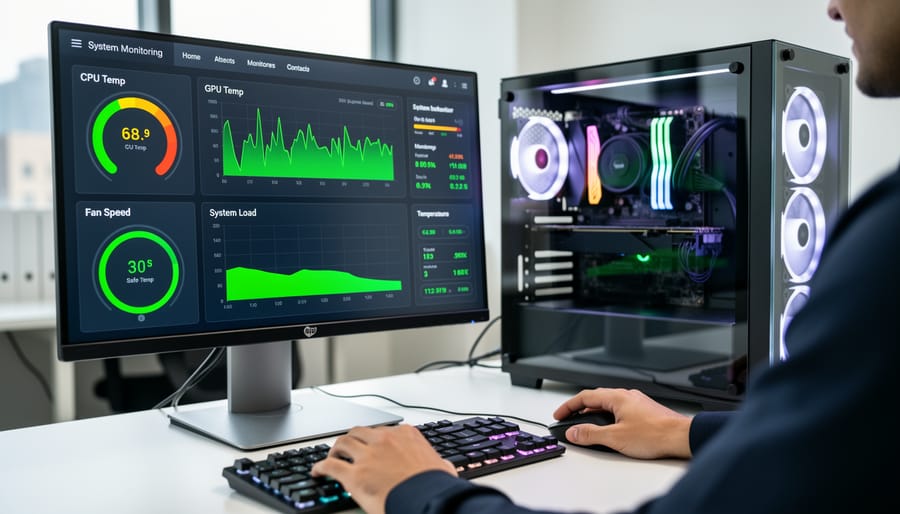
- Start the miner and monitor. Watch temperatures, fan speeds, and hash rate for the first several hours, comparing hash rate to the manufacturer’s specification.
Step one deserves the most time, because electricity pricing decides whether the rest is worth doing. Mining operations have historically clustered where power is cheap and abundant, including regions with surplus hydroelectric capacity, and they have relocated when rates or rules changed. A home operator on a standard residential tariff is competing against those operators, which is why a conservative calculation matters more than optimism.
Before you spend anything, settle the legal questions. The rules vary by jurisdiction and can affect where you run machines and under which utility rate, so check whether is mining legal in your area before you buy equipment. Mining rewards are also generally reportable income, so understand the tax treatment of mining from the first payout and keep records of every reward, purchase, and electricity bill.
One practical habit pays off throughout. Record your starting parameters, including hardware cost, power rate, difficulty, and coin price, in a simple spreadsheet. When conditions shift, you can rerun the numbers in minutes and decide whether to continue, expand, or stop, rather than reacting to price headlines.
Verifying Your Setup and Planning Next Steps
Once the miner is running, confirm it is doing the work you paid for. Start with the reported hash rate and compare it to the manufacturer’s specification. A small variance is normal, but a persistent shortfall points to firmware issues, overheating, or a faulty hash board. Next, open your pool dashboard and check that shares are being accepted. A steady stream of accepted shares and a low rejected or stale rate confirm your connection and worker settings are correct.
Keep watching temperatures and error rates through the first few days, since problems often surface only under sustained load. Finally, wait for the first payout and verify it arrives at your wallet address. Check the amount against the pool’s earnings statement before you assume everything is settled.
With the setup verified, shift to ongoing management. Track profitability against changing network difficulty and coin prices, because both move constantly and can erase margins that looked healthy at launch. Understanding mining economics vs markets helps you see why strong prices do not guarantee strong mining returns. Keep detailed records of payouts, electricity bills, and equipment costs, since mining income is generally taxable in many jurisdictions.
Decide in advance when you would scale, hedge by selling a portion of rewards, or exit. Businesses weighing larger commitments can also consider hosted mining or joining a mining cooperative, which can reduce infrastructure burden while spreading risk.
Common Questions About Starting Cryptocurrency Mining
Most readers arrive with the same handful of doubts, so here are direct answers to the ones that come up most often. Treat them as starting points and verify the specifics against your own electricity rate, hardware, and local rules.
Is mining still profitable for newcomers?
It can be, but only when your electricity cost is low enough and your hardware efficient enough to leave a margin after power, pool fees, and equipment costs. Because difficulty and coin prices shift constantly, run the profitability calculation with your own numbers before buying anything, and recheck it regularly.
Can I mine with a home computer or laptop?
Technically yes for some coins, but it is rarely worthwhile. Laptops are not built for sustained full load, risk overheating and wear, and typically earn less than their power cost. Bitcoin in particular is dominated by purpose-built ASICs, so a general-purpose machine is not competitive there.
How much electricity does mining use?
It depends entirely on the hardware. Check the manufacturer’s rated wattage and multiply by hours run and your local rate to estimate monthly cost, then confirm your circuits can safely carry that continuous load.
Is solo mining or pool mining better?
For most small operators, pool mining is the practical choice. A pool combines hash power and pays out in proportion to your contribution, which smooths income, while solo mining can go long stretches with no reward at all.
Taxes and business structure are the two questions that tend to catch people off guard. In many jurisdictions, mining rewards are treated as income at the time you receive them, and selling or exchanging the coins later can trigger a separate gain or loss. Rules differ by country and change over time, so keep detailed records of payouts, dates, and expenses, and confirm treatment with a qualified tax professional rather than relying on general guidance.
The business-versus-individual distinction matters mostly for scale and compliance. A hobbyist running a single machine at home faces mainly electrical and tax considerations, while a business typically has to think about commercial power agreements, zoning, insurance, equipment depreciation, and formal accounting. The core economics are the same either way. What changes is the paperwork, the risk exposure, and how much a bad profitability assumption can cost.
Starting cryptocurrency mining rewards the people who treat it like any other operational investment. The winners rarely have the flashiest hardware. They have the discipline to run the numbers before buying, to verify every seller and pool, to size their electrical and cooling infrastructure for the load, and to keep watching the results once the machines are running.
That ongoing attention matters because the inputs never sit still. Network difficulty climbs, block rewards halve, prices swing, and power contracts change. A setup that clears your margin today can fall below it later, and the only defense is regular monitoring and a willingness to scale back or exit when the math stops working.
For business decision-makers, the practical posture is simple. Budget for mining the way you would for any energy-intensive operation, document your assumptions, define your stop conditions in advance, and revisit them on a schedule. Hype fades quickly. Careful accounting and sound infrastructure are what keep an operation standing through the cycles.